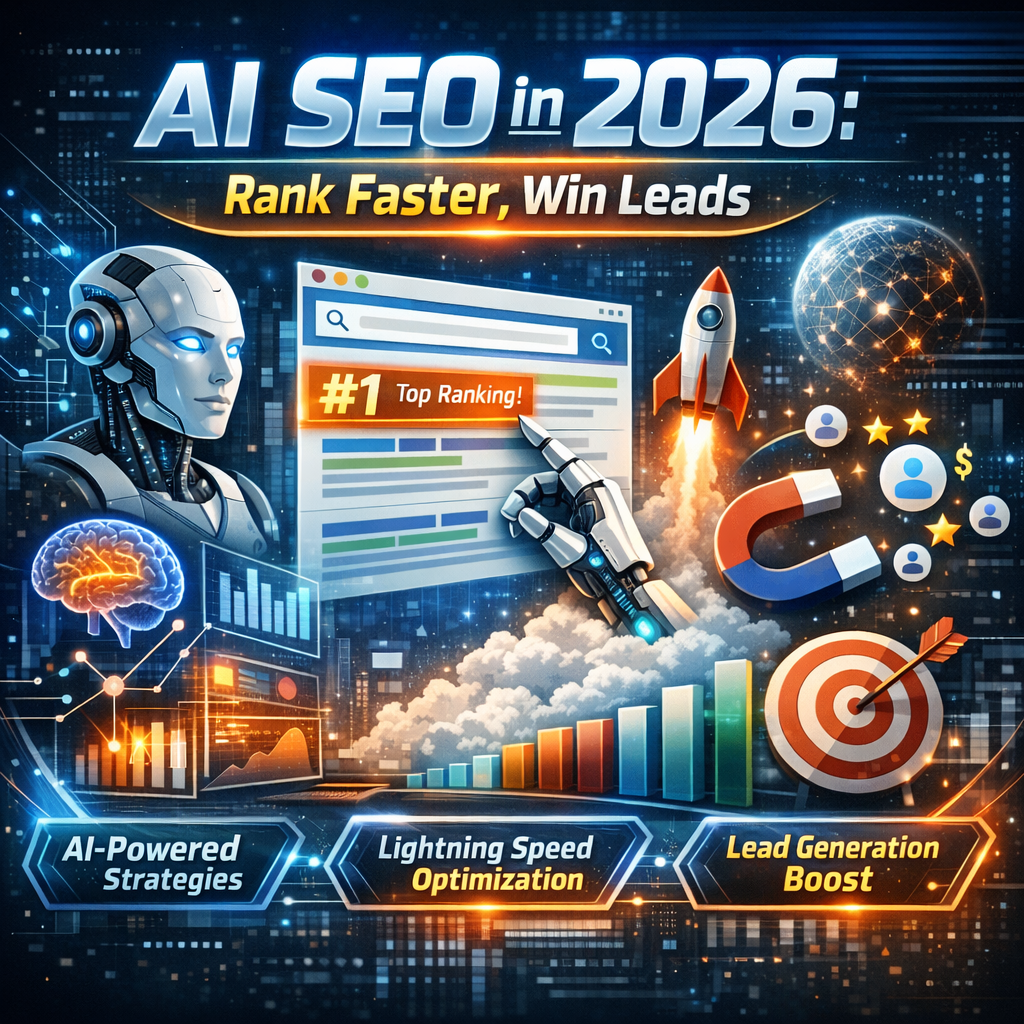
AI SEO in 2026 is not about stuffing more keywords into a page and hoping Google rewards you. It’s about building content, websites, and lead funnels that search engines and AI tools can understand fast, trust quickly, and recommend with confidence. For service business owners, that matters because the old playbook is getting expensive. Ads cost more. Attention is shorter. Competition is everywhere. If your website is slow, vague, or buried under generic content, you lose leads before the first call ever happens. The good news: AI SEO gives local businesses a faster way to show up, answer buyer questions, and turn search traffic into real inquiries. Done right, it helps you rank faster, get found in AI-driven search results, and win leads without wasting months on guesswork.
Contents
- 1 AI SEO in 2026: Rank Faster, Capture More Leads
- 2 Why This Matters in 2026
- 3 How to Build an AI SEO System
- 4 Real-World Application for Service Businesses
- 5 Common Mistakes to Avoid
- 6 Pro Tips for Advanced AI SEO
- 7 Tools & Tech Stack That Help
- 8 Internal Linking Opportunities
- 9 Want This Done for You?
- 10 Frequently Asked Questions
AI SEO in 2026: Rank Faster, Capture More Leads
What AI SEO Means Now
AI SEO is the process of using artificial intelligence to improve how your business gets discovered, understood, and recommended in search. In 2026, that means more than Google rankings. It also includes AEO, which is optimizing for AI answers, snippets, and search summaries that pull from trusted content.
For service businesses, this is a major shift. People are no longer just typing “plumber near me” and clicking the first ad. They ask longer, more specific questions like “Who fixes water heaters same day in Dallas?” or “What’s the best dentist for anxious patients in Phoenix?” AI-powered search rewards pages that answer those questions clearly and quickly.
Why AI SEO Works Faster Than Old SEO
Traditional SEO often moves slowly because it depends on broad content, weak site structure, and generic optimization. AI SEO speeds things up by helping you research faster, cluster topics better, and publish content that matches real search intent. It also helps you find gaps in your market before competitors do.
The real advantage is relevance. AI tools can help you identify the exact questions buyers are asking, the language they use, and the pages your site needs to build trust. That means less guessing and more targeted pages that can start performing sooner.
What Google and AI Tools Want in 2026
In 2026, search engines care even more about clarity, usefulness, and proof. They want content that directly answers the query, shows authority, and gives users a clear next step. That is especially true for local and service-based businesses where trust matters.
If your content is thin, repetitive, or written for robots, it will not win. AI SEO works when your site has strong structure, helpful content, local relevance, and pages built around real buyer intent. That is how you rank faster and turn visibility into leads.
Why This Matters in 2026

Search Is Now Powered by AI Behavior
Search behavior has changed. Users expect instant answers, and AI tools are trained to deliver them. That means your content needs to be easier to parse, easier to summarize, and easier to trust than the competition. If it is not, you get skipped.
For service businesses, this is huge. A homeowner comparing HVAC companies does not want a 2,000-word essay. They want fast proof, clear service details, and a simple reason to contact you. AI SEO helps you build that experience into the page.
Speed Wins in a Crowded Market
In 2026, speed is a ranking and conversion advantage. Businesses that can publish useful content, update pages quickly, and test messaging faster have a better shot at winning visibility. AI makes that process much faster when used correctly.
That does not mean mass-producing junk content. It means using Artificial Intelligence to support strategy, not replace it. The businesses that win will combine smart automation with real expertise and a clear service offer.
Personalization Is No Longer Optional
People expect search results and web pages to feel specific to their needs. A plumber serving suburban homeowners should not look or sound like a national software brand. A dentist should not use the same content structure as a business coach.
AI SEO helps you personalize at scale. You can create location pages, service pages, FAQ content, and lead magnets that speak directly to different buyer types. That improves engagement, boosts rankings, and raises conversion rates.
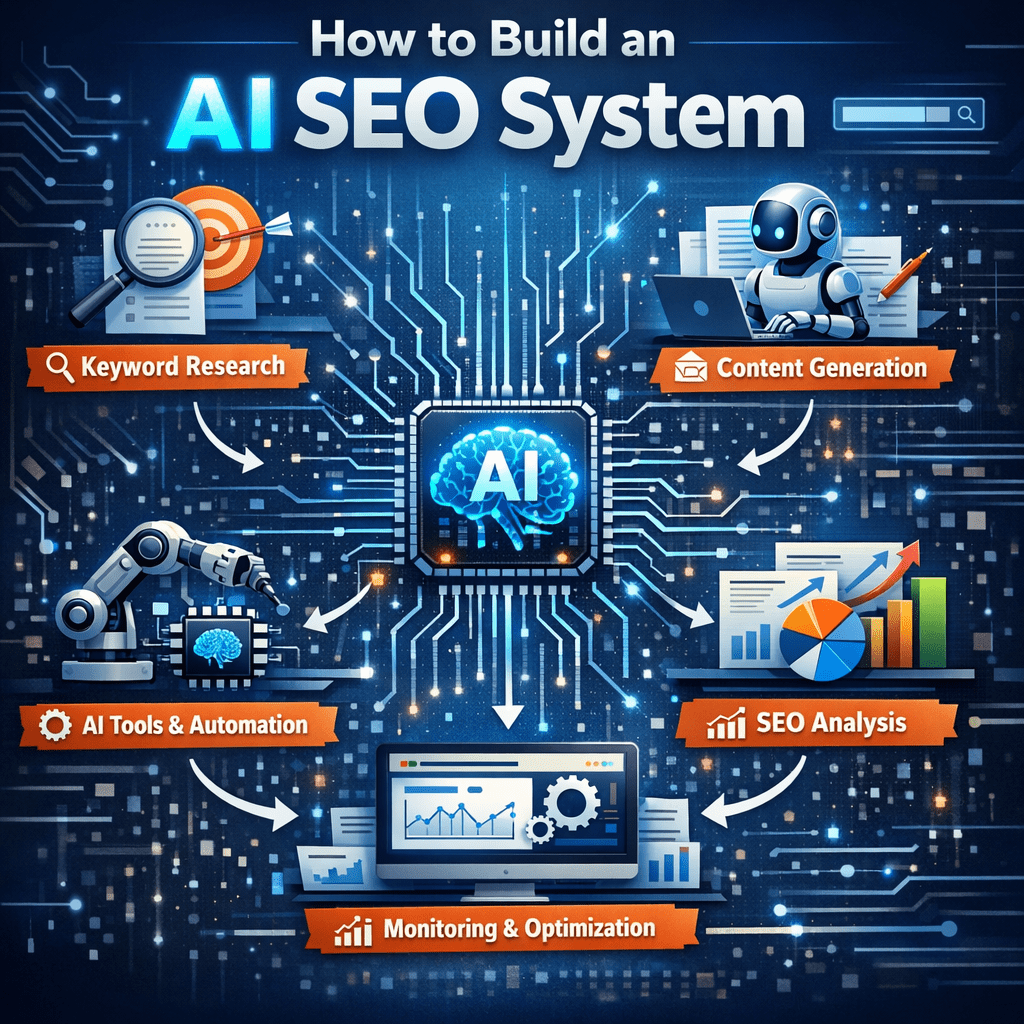
How to Build an AI SEO System
1. Start with Buyer Intent, Not Keywords
The biggest mistake in SEO is starting with keywords alone. Start with what your buyer actually wants to solve. A person searching for “emergency roofer” has a very different need than someone searching “roof replacement cost.”
Use AI to group queries into intent buckets: urgent, comparison, local, pricing, trust, and service fit. Then build pages that answer each one clearly. This approach helps search engines understand your site and helps customers move toward action faster.
2. Build Pages Around Real Questions
AI SEO works best when your content directly answers the questions buyers ask before they call. That includes pricing, turnaround time, service area, warranty, experience, and process. These are the details that reduce friction and create trust.
Create service pages, FAQ sections, and supporting blog posts that answer these questions in plain English. If you are a dentist, answer “How long do implants take?” If you are a coach, answer “What happens in the first session?” Those answers help with both SEO and conversion.
3. Use AI for Research, Drafting, and Optimization
Artificial Intelligence can help with keyword clustering, content outlines, title testing, meta descriptions, and internal link ideas. It can also help you improve older pages by spotting missing topics or weak sections.
But human editing still matters. AI should help you move faster, not sound generic. Add your expertise, local proof, process, and real examples. That is what turns average content into content that ranks and sells.
4. Strengthen E-E-A-T Across the Site
Experience, expertise, authority, and trust are critical in 2026. Google and AI tools both look for signs that your business is real, credible, and useful. That means author bios, reviews, case studies, service details, and strong about pages.
If you run a local business, add location signals, team photos, certifications, and service area details. If you are a founder or coach, show client wins and process clarity. The more trust signals you give, the more likely your content is to be used in results and summaries.
5. Turn Traffic Into Leads Fast
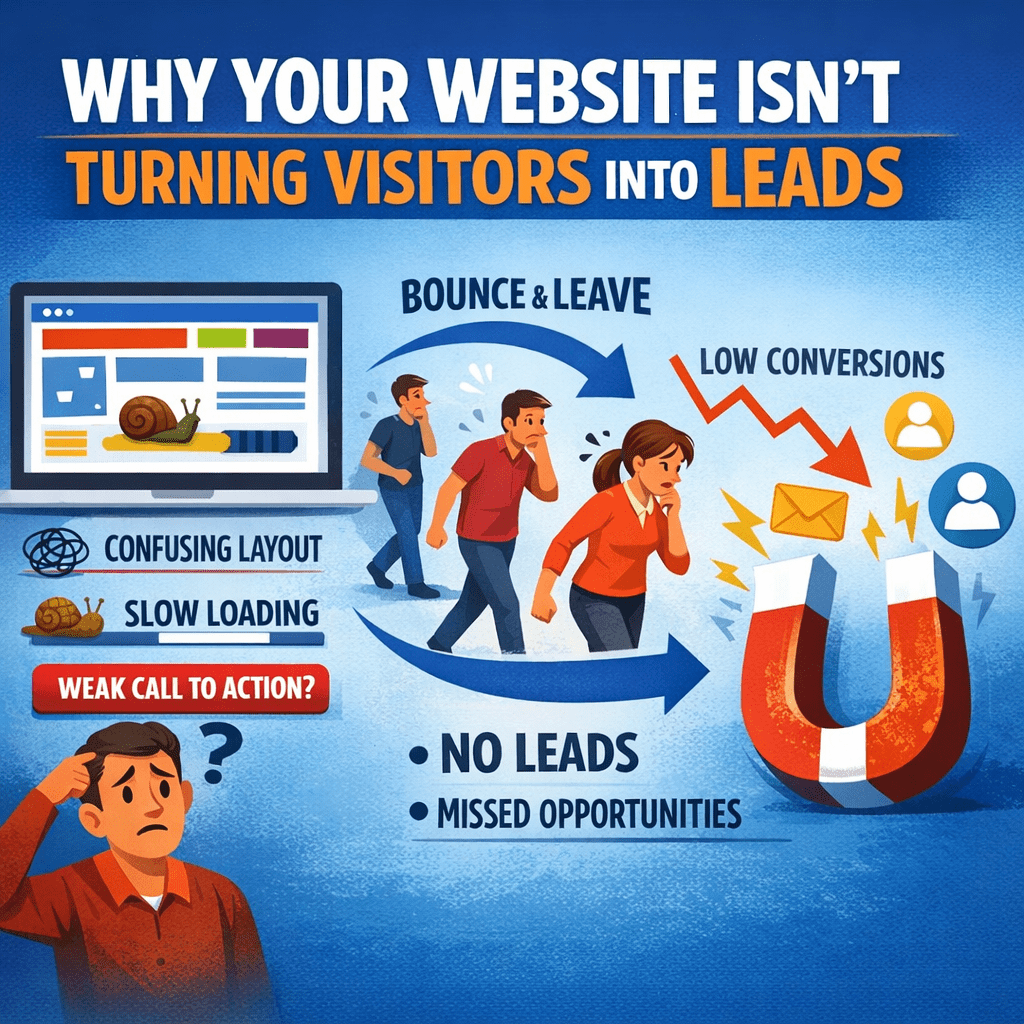
SEO only matters if it creates business. Every page should have a next step. That might be a quote form, call button, downloadable checklist, or email capture. AI SEO should not stop at traffic.
For service businesses, the best lead pages are simple. They explain the problem, show the solution, answer common objections, and make it easy to take action. Fast load times, clear CTAs, and strong copy matter just as much as rankings.
Real-World Application for Service Businesses
Local Businesses Need Local Signals
A plumber, dentist, roofer, or HVAC company does not need national traffic first. They need local customers ready to act. AI SEO helps by making your location, services, and service area easy to understand for both users and search engines.
That means building city pages, neighborhood pages, and service pages that are actually useful. A page for “emergency AC repair in Tampa” should include response times, common problems, service coverage, and a clear contact option. That is the kind of content that wins local leads.
Service Pages Should Sell the Next Step
Most service pages are too vague. They talk about the business but never answer the buyer’s real question: “Why should I contact you right now?” AI SEO changes that by helping you create sharper, more useful pages.
For example, a real estate agent can create pages for first-time buyers, downsizers, and relocation clients. A coach can create pages for each offer or audience type. A dentist can build pages for emergency visits, cosmetic dentistry, and implants. The better the match, the better the lead quality.
AI SEO Supports Email and Follow-Up
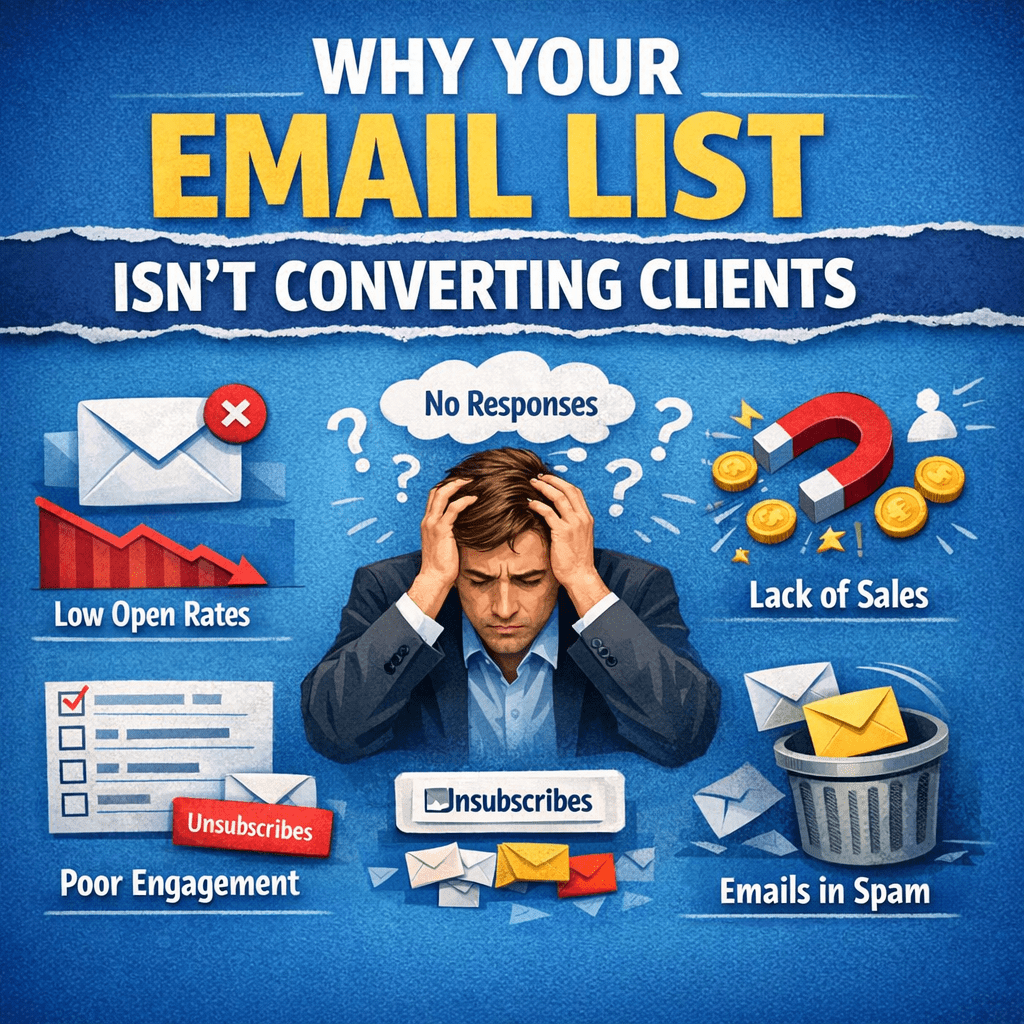
Not every visitor converts on the first visit. That is why AI SEO should connect with email marketing. Offer a simple resource, checklist, or estimate guide, and keep nurturing the lead after they leave.
This is especially effective for coaches, home service providers, and service brands with longer sales cycles. AI can help you segment leads by interest and send better follow-up emails automatically. That keeps your brand top of mind until they are ready to buy.
Common Mistakes to Avoid
- Publishing generic AI-written content with no real expertise
- Targeting keywords without understanding buyer intent
- Ignoring local SEO signals like city pages, reviews, and service areas
- Skipping internal links between service pages and supporting content
- Making pages too long, too broad, or too confusing
- Forgetting to add calls to action on every important page
- Using AI to replace strategy instead of speed up execution
These mistakes cost time, rankings, and leads. The fix is usually simple: better structure, better relevance, and better conversion copy.
Pro Tips for Advanced AI SEO
Use AI to Find Content Gaps
One of the smartest uses of AI is spotting what your competitors missed. Look at the top-ranking pages in your niche and ask where they are weak. Are they missing pricing info, local proof, or service comparison content? That gap is your opportunity.
You can also use AI to analyze search intent variations. For example, someone searching “best HVAC company” may want reviews, while someone searching “same-day AC repair” wants speed and availability. Those are different pages, not one generic post.
Optimize for AI Summaries, Not Just Blue Links
AEO is becoming as important as SEO. If AI tools summarize your content, you want them to pull the right message. That means writing short definitions, clear answers, and strong section headings.
Use simple language. Put the answer first. Add supporting detail after. This structure helps search engines and AI tools understand your page fast. It also helps busy visitors get the point without scrolling forever.
Combine SEO with Automation
The strongest systems do not rely on one channel. Use AI SEO to bring in traffic, then use email automation to follow up. Use paid ads to support your best pages. Use website design to improve conversion. Use virtual assistance to keep content and lead flow moving.
That is where real leverage happens. Not just more visibility, but a tighter system that captures, nurtures, and converts leads without wasting time.
Tools & Tech Stack That Help
SEO and Content Tools
For research and optimization, tools like Google Search Console, Ahrefs, Semrush, and Surfer can help identify opportunities and track performance. AI writing and planning tools can speed up outlines, FAQs, and content refreshes.
Use these tools to inform strategy, not replace thinking. The best results come from combining data with human judgment and local market knowledge.
Email and Automation Tools
For email follow-up, platforms like Mailchimp, Klaviyo, ActiveCampaign, and HubSpot can help nurture leads after they submit a form. Automation tools like Zapier or Make can connect your website, CRM, and email flow.
This matters because many leads are not ready now. A smart follow-up system keeps your business in front of them until they are.
Ads and Conversion Tools
Google Ads and Meta Ads can work well alongside AI SEO, especially when you are promoting high-intent service pages or lead magnets. Use them to test messaging fast and support your best offers.
Pair that with strong landing pages, call tracking, form tracking, and basic analytics. If you cannot measure it, you cannot improve it.
Internal Linking Opportunities
If you are building a site around AI SEO, this topic connects naturally to several service pages. Link to your SEO services page when discussing rankings and strategy. Link to website design when talking about speed, structure, and conversion.
You can also connect this content to email marketing, paid ads, content marketing, and even virtual assistance for ongoing execution. That creates a stronger site architecture and helps visitors move to the next step without friction.
Want This Done for You?
If you want an AI SEO system that actually brings in leads, we can help build it without the usual agency noise. That means clear strategy, fast execution, and no unnecessary meetings.
We can map the keywords, build the pages, tighten the copy, and connect the follow-up so your website works harder. If you want, we’ll send you a simple plan based on your business, your market, and your goals — no pressure, no sales pitch.
Frequently Asked Questions

What is AI SEO in 2026?
AI SEO is the use of artificial intelligence to improve search visibility, content quality, and lead generation. In 2026, it includes both traditional SEO and AEO for AI search summaries.
Is AI SEO worth it for small service businesses?
Yes. It can help small businesses rank faster, create better pages, and compete with larger companies by focusing on relevance, speed, and trust.
How long does AI SEO take to work?
Some improvements can happen in a few weeks, especially on-page and technical fixes. Competitive rankings usually take longer, but AI can speed up research, publishing, and optimization.
What is the difference between SEO and AEO?
SEO helps your pages rank in search engines. AEO helps your content get used in AI answers, summaries, and featured snippets by making it clear and direct.
Can AI write my website content for me?
AI can help draft content, but human editing is still important. You need real expertise, local context, and conversion-focused messaging to get results.
What tools should I use for AI SEO?
A good stack includes Google Search Console, Ahrefs or Semrush, AI writing tools, a CMS like WordPress, and email automation software for follow-up.
Does AI SEO replace paid ads?
No. It works best alongside paid ads, email marketing, and strong website design. SEO builds long-term traffic while ads can drive faster testing and lead flow.
AI SEO in 2026 is about more than ranking. It is about being easy to find, easy to trust, and easy to contact. For service businesses, that means building pages that answer real questions, using AI to move faster, and connecting search traffic to actual lead generation. The businesses that win will not be the loudest. They will be the clearest, the fastest, and the most useful. If you focus on intent, structure, trust, and conversion, AI SEO can help you rank faster and win more leads without wasting time on tactics that do not pay off.
We would love to hear from you!
Contact us about your digital marketing needs and let's team up to grow multi-folds together!